Why Your Cake Comes Out Dry or Sinks: Use a Kitchen Scale
You follow the recipe exactly, yet sometimes the cake is moist and sometimes dry? The most common culprit is measuring by cups. A cup of flour can weigh anywhere from 120 to 160 grams depending on how it's filled, a big enough difference to ruin any recipe.
Why weight beats cups
Packed flour in a cup holds more than sifted flour. A gram, however, is always a gram. That's why professional bakery recipes are written by weight.
Approximate weights per cup
- Flour: about 125 g.
- White sugar: about 200 g.
- Butter: about 225 g.
- Cocoa: about 85 g.
How to use a kitchen scale properly
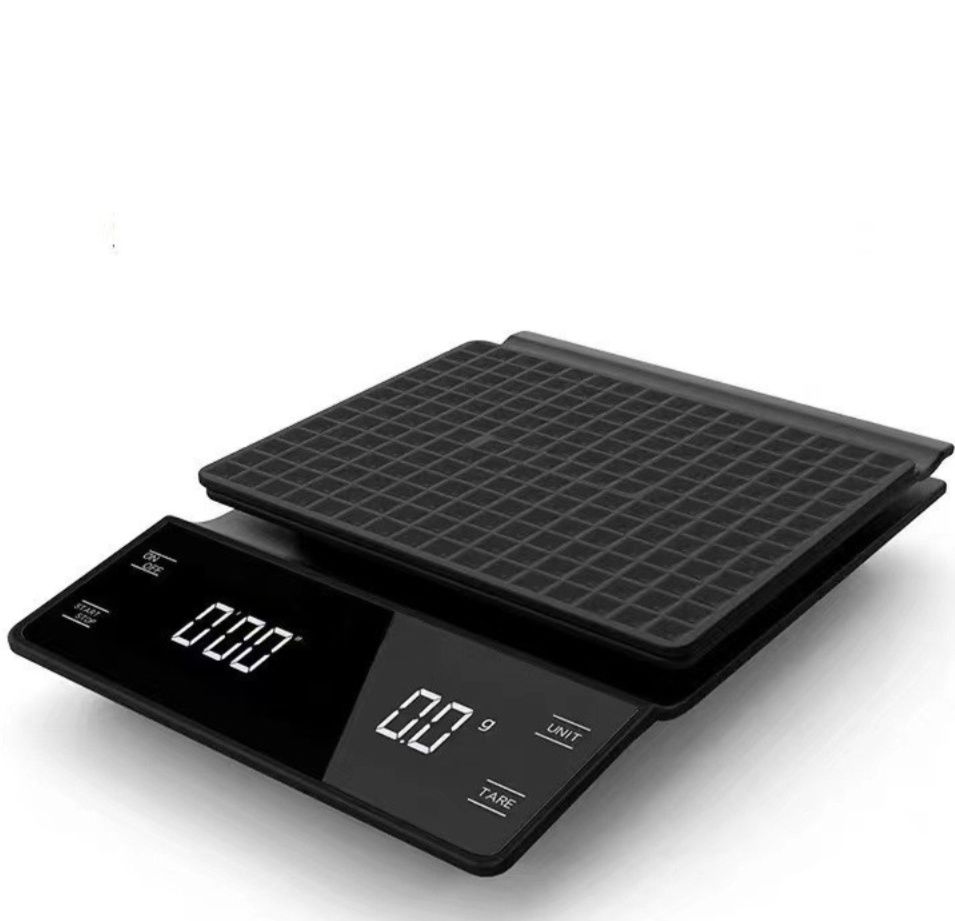
- Place the bowl on the scale and press Tare to zero it.
- Add the first ingredient to the required weight.
- Tare again and add the next ingredient to the same bowl.
This way you'll have fewer dishes to wash afterwards.
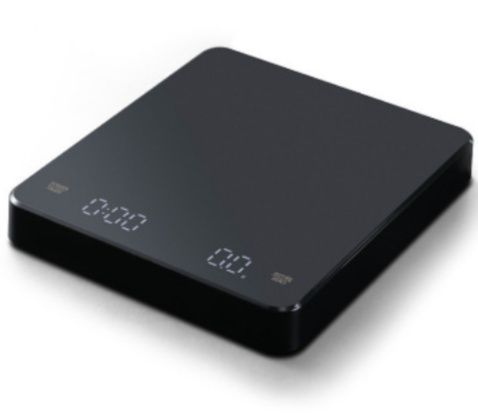
What to look for in a kitchen scale
- 1 g accuracy: important for yeast and baking powder.
- Tare button: essential.
- Built-in timer: useful for kneading, proofing and coffee.
- Charging: the USB-rechargeable version saves you from replacing batteries.
FAQ
Can the same scale be used for coffee?
Yes, a digital coffee scale with a timer covers both uses.
How do I convert a cup recipe to grams?
Use the approximate weights above, and after your first try, note the weights that worked for you.